
four letters one word (FLOW): transformation©
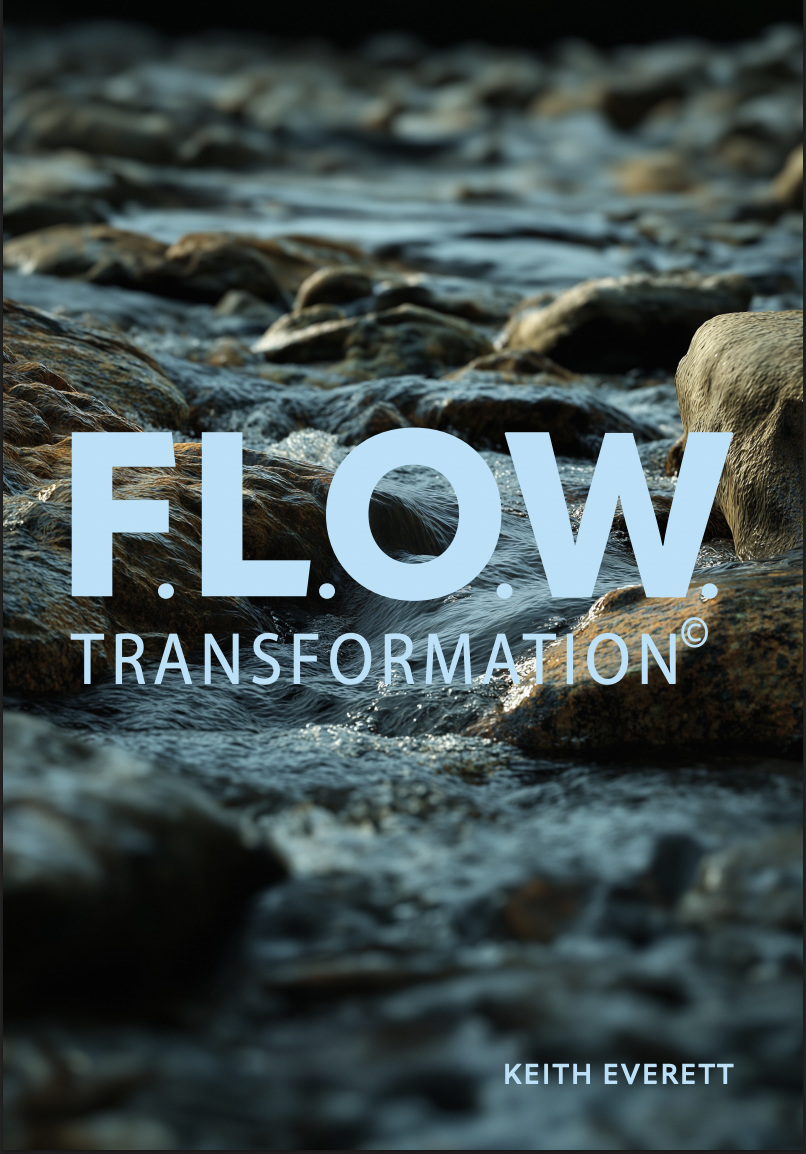
Purchase here - F.L.O.W. Transformation
Four Letters, One Word - Transformation is not a manual. It’s not a playbook. It’s a reckoning. And if you’re holding it, you already know something’s broken—not just in the system, but in the stories we tell to protect it. You’ve seen the performative metrics, the equity statements that evaporate under pressure, the all-hands meetings that say a lot and change nothing. You’ve felt the dissonance between the language of inclusion and the reality of exclusion. And somewhere deep down, you know: this can’t be fixed with another initiative.
This book names what most are afraid to say out loud—that the real enemy isn’t unconscious bias, bad actors, or outdated HR policies. It’s the culture that rewards silence, protects the powerful, and mistakes activity for accountability. It’s the executive team that wants change without discomfort. The boardroom that preaches equity while clinging to power. The nonprofit that celebrates “diversity milestones” while its staff of color quietly strategize their exits.
Transformation, as laid out in these pages, is not about checking boxes. It’s about burning down the illusion that the boxes were ever enough. It means confronting how systems of whiteness, patriarchy, classism, ableism, and anti-Blackness shape everything from hiring to board governance to how people are—or aren’t—allowed to speak in a meeting. And then, it means choosing to do something about it. Loudly. Publicly. Repeatedly.
The author doesn’t hand you easy solutions. They hand you something far more powerful: clarity. Clarity about what you’ve been protecting. What you’ve been avoiding. What you’ve been pretending doesn’t need to be addressed because “we’re on a journey.” Newsflash: the journey means nothing if it has no destination. If you’re not moving toward justice, you’re just walking in circles.
This book was written for the bold—the ones who don’t just want better policies, but a different kind of leadership. One rooted in equity, not hierarchy. One that centers voices typically silenced, and builds systems that don’t just reflect values, but live them. The leaders this book was written for understand that equity is not a side hustle. It’s not optional. It’s the backbone of legitimacy in the 21st century.